

Insurance Roof Coverage Rules are becoming an important issue for California homeowners as insurance companies pay much closer attention to roof age, materials, condition, and overall risk.
In the past, many homeowners only thought about their roof when there was a leak, missing shingles, storm damage, or visible wear. Today, roof condition can affect more than repair costs. It may also influence whether an insurer is willing to offer, renew, or limit homeowners insurance coverage.
Recent reporting shows that California’s largest home insurers are placing more restrictions on roof characteristics such as age, material, slope, condition, drainage, and expected remaining lifespan. The San Francisco Chronicle reported that California’s 20 largest home insurers, which account for most of the state’s homeowners insurance market, have filed underwriting guidelines that may restrict coverage for certain roof types, including older roofs, flat roofs, wood roofs, roofs with multiple shingle layers, or roofs considered beyond their expected lifespan.
For homeowners, this makes roof inspections, documentation, maintenance, and timely repairs more important than ever.
At Innovative Home Improvements, we help homeowners understand the condition of their roof before small issues become expensive problems — or before roof concerns create headaches with insurance coverage.
Why Insurance Companies Are Looking More Closely at Roofs
A roof is one of the biggest risk factors in a homeowners insurance policy.
If a roof fails, the damage can spread quickly into:
- Attic insulation
- Drywall
- Flooring
- Electrical systems
- Framing
- Personal belongings
- Interior finishes
Insurance companies know that an aging or damaged roof increases the chance of water intrusion, interior damage, mold concerns, and larger claims.
California’s insurance market has also been under pressure from wildfire risk, rising repair costs, extreme weather losses, and reduced insurer participation in some areas. California’s Department of Insurance has been working on consumer protections, wildfire resilience, and insurance market reforms, including laws that took effect in 2026 to strengthen transparency and resilience.
While every insurance company has its own underwriting rules, roofs are now a major part of the conversation.
What Roof Issues Can Affect Insurance Coverage?
Not every roof concern automatically creates an insurance problem. However, insurers may review roof-related factors when deciding whether to write, renew, limit, or price a policy.
Common roof issues that may raise concern include:
- Roof age
- Missing, cracked, or curling shingles
- Broken or shifted tiles
- Wood shake roofing
- Flat roofs with poor drainage
- Multiple roof layers
- Visible deterioration
- Sagging sections
- Evidence of leaks
- Wood rot around fascia or eaves
- Poor maintenance
- Roofs past expected service life
The key point is this: insurers are not only looking at whether your roof is leaking today. They may also be evaluating whether the roof appears likely to fail in the future.
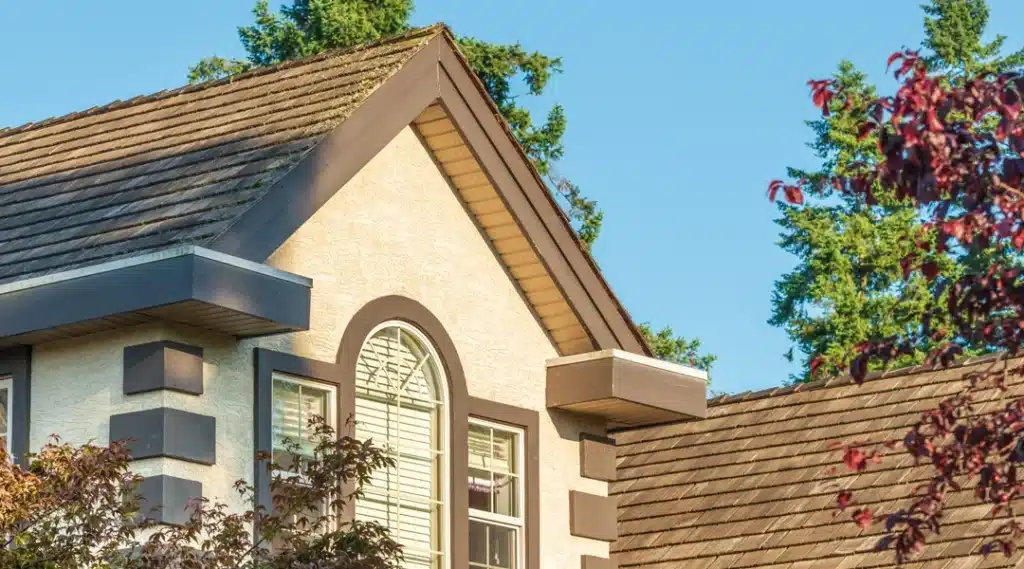
Roof Age Matters More Than Many Homeowners Realize
One of the biggest factors insurers consider is roof age.
A roof may still look “fine” from the ground, but if it is approaching the end of its expected lifespan, an insurance company may view it as a higher risk.
Some industry reports note that insurers often use age thresholds when reviewing roof eligibility, with older roofs sometimes receiving more limited coverage or actual cash value treatment instead of full replacement cost coverage. The California FAIR Plan, for example, has been reported to provide actual cash value treatment for older homes unless the roof has been replaced within a specified timeframe.
Actual rules vary by insurer, policy, roof material, and property condition. Homeowners should always confirm directly with their insurance agent or carrier.
However, one thing is clear: knowing the age and condition of your roof is no longer optional. It is part of protecting both your home and your coverage options.
Aerial Images, Drone Photos, and Remote Roof Reviews
Another reason roof rules feel tighter is the rise of aerial imagery and remote inspections.
Insurers can now review roof condition from satellite images, drone photos, or third-party property data. This can help identify major issues, but it can also create problems if images are outdated, unclear, or misinterpreted.
Recent reporting has highlighted homeowners losing or being threatened with loss of coverage after insurers reviewed roof characteristics through remote imagery, including concerns about flat roofs, roof wear, and roof condition.
If your insurance company questions your roof condition, professional documentation can help. This may include:
- Roof inspection photos
- Contractor inspection reports
- Repair invoices
- Replacement records
- Permit documentation
- Before-and-after photos
- Material information
- Maintenance history
A documented roof inspection can give homeowners stronger information when speaking with an insurance company.
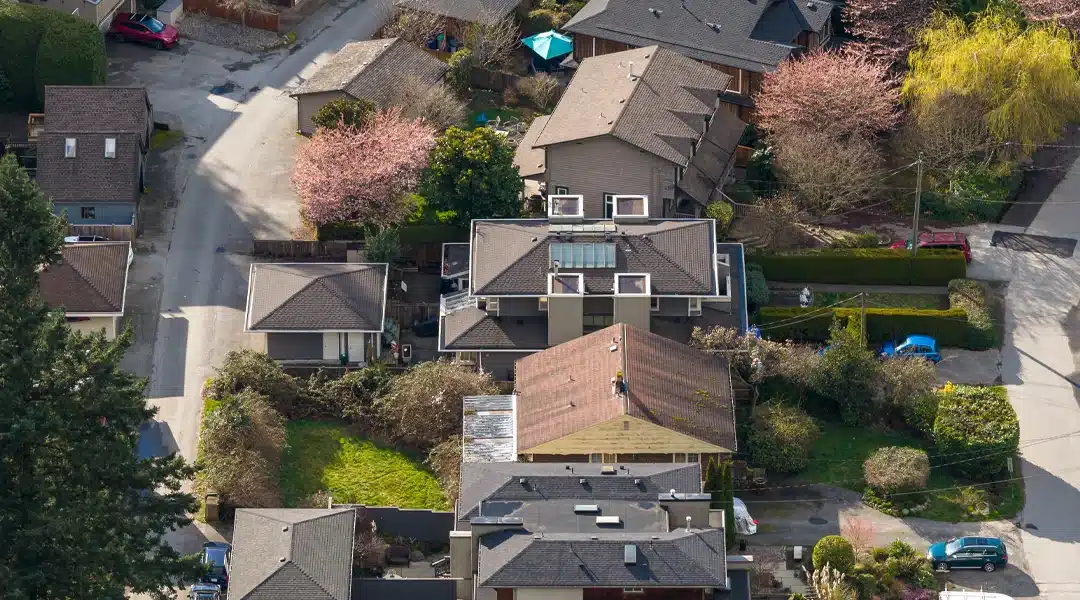
Why a Roof Inspection Can Help Protect You
A professional roof inspection can identify small issues before they become visible from the ground or turn into more expensive repairs. Many roof problems start quietly, such as loose flashing, worn underlayment, cracked tiles, lifted shingles, or minor moisture intrusion. By the time damage is easy to see from the street, the roof may already have deeper problems underneath.
During a roof inspection, a contractor may check:
- Shingles or tiles for cracks, missing pieces, lifting, curling, or excessive wear
- Flashing around chimneys, walls, skylights, and roof transitions
- Roof valleys where water is directed off the roof
- Vents, pipe penetrations, skylights, and other openings
- Fascia boards and trim for signs of deterioration
- Eaves and overhangs for staining, sagging, or wood damage
- Underlayment concerns where roofing materials are loose or failing
- Signs of moisture intrusion, staining, or soft spots
- Wood rot around roof edges, decking, or support areas
- Attic ventilation and airflow issues
- Drainage problems caused by debris, poor slope, or blocked water paths
- Evidence of past leaks or previous repairs
This matters because insurance concerns often come down to risk. If a roof appears neglected, damaged, or near the end of its useful life, an insurer may see it as a higher chance for future claims. A roof that is well-maintained, documented, and repaired when needed is usually easier to discuss than a roof with unknown condition, visible wear, and no maintenance history.
A professional inspection can also give homeowners a clearer picture of what needs attention now versus what can be monitored over time. In some cases, a simple repair may be enough to address a concern. In other cases, widespread wear, repeated leaks, failing underlayment, or structural damage may indicate that a larger repair or roof replacement should be considered.
A roof inspection does not guarantee insurance approval or prevent every coverage issue. However, it can help homeowners understand the true condition of their roof before an insurer, buyer, or lender raises questions. Having inspection notes, repair records, and photos can also make it easier to show that the roof has been maintained and that problems were addressed before they spread.
Roof Repair vs. Replacement: Why the Difference Matters
If an inspection finds a problem, the next question is usually:
Can the roof be repaired, or does it need to be replaced?
That answer depends on several factors:
- Age of the roof
- Type of roofing material
- Location of damage
- Extent of deterioration
- Condition of underlayment
- Presence of wood rot
- Number of previous repairs
- Whether leaks are isolated or widespread
- Insurance requirements or underwriting concerns
A small flashing issue, missing shingle, or isolated leak may only require repair.
However, a roof with widespread deterioration, failing underlayment, repeated leaks, or multiple damaged areas may be a stronger candidate for replacement.
This is why homeowners should not guess. A professional inspection helps determine whether a targeted repair is enough or whether replacement is the smarter long-term investment.
Documentation Is Becoming More Valuable
With roof coverage rules tightening, documentation can be just as important as the repair itself.
Homeowners should keep records of:
- Roof installation date
- Roofing contractor information
- Inspection reports
- Repair invoices
- Warranty documents
- Material type
- Photos of completed work
- Maintenance records
- Insurance correspondence
If your roof is newer, maintained, or recently repaired, documentation may help demonstrate that to an insurer.
If your roof is older, documentation may help clarify whether it is still performing properly or whether repairs have been made.
Either way, organized records put homeowners in a stronger position.
What Homeowners Should Do Before Insurance Becomes a Problem
Many homeowners wait until they receive a nonrenewal notice, inspection request, or insurance warning before addressing roof condition.
That is risky.
Instead, homeowners should take a proactive approach:
- Find out the age of your roof
If you do not know when it was installed, start by checking home purchase documents, permits, inspection reports, or prior contractor records. - Schedule a roof inspection
A professional inspection can identify visible and hidden concerns. - Repair small issues early
Minor problems can become expensive if ignored. - Document everything
Keep photos, invoices, inspection notes, and warranty information. - Ask your insurer what they require
Every carrier has different underwriting rules. - Avoid waiting for a leak
By the time water reaches the interior, the damage may already be more serious. - Consider replacement if the roof is near the end of its lifespan
A roof replacement may improve protection, resale value, and insurance conversations.
Does Homeowners Insurance Cover Roof Replacement?
Homeowners insurance may cover roof replacement when the damage is caused by a covered event, such as certain storms, fire, falling objects, or sudden accidental damage. However, standard homeowners insurance generally does not cover normal wear and tear, aging, neglect, or gradual deterioration.
That distinction matters.
If your roof is old and worn out, insurance may not pay to replace it simply because it reached the end of its useful life.
If your roof is damaged by a covered event, coverage depends on your policy, deductible, exclusions, roof condition, and how the insurer evaluates the claim.
Homeowners should review their policy carefully and speak directly with their insurance agent for coverage questions.
Why California Homeowners Should Act Now
California insurance rules and underwriting practices are changing quickly.
Roof condition is becoming a bigger factor in:
- Policy eligibility
- Renewal decisions
- Coverage limits
- Actual cash value vs. replacement cost coverage
- Premium pricing
- Required repairs before renewal
- Home sale and escrow concerns
Proactive roof maintenance is no longer just about preventing leaks. It is about protecting your home, your budget, and your ability to maintain coverage options.
Why Choose Innovative Home Improvements?
At Innovative Home Improvements, we help homeowners throughout Riverside County and surrounding Southern California communities understand their roofing options.
Our roofing services include:
- Roof inspections
- Roof repair
- Roof replacement
- Wood rot evaluation
- Flashing repair
- Leak detection
- Roofing documentation
- Honest recommendations
- Free consultations
We help homeowners identify what is urgent, what can wait, and what may affect long-term home protection.
Schedule a Roof Inspection Before Coverage Becomes an Issue
If your roof is older, damaged, leaking, or has not been inspected in years, now is the time to take a closer look.
California insurers are paying more attention to roofs, and homeowners should too.
Contact Innovative Home Improvements today to schedule a roofing consultation and learn more about your options.