

Before installing solar panels on an older roof, Southern California homeowners should make sure the roofing system is ready for the added equipment and long-term commitment. Solar energy can offer lasting value, but the roof underneath the system plays a major role in protecting that investment, but before installing solar panels, there is one important question every homeowner should ask:
Is my roof ready for solar?
Many homeowners focus on the panels, the savings, and the installation process, but the roof underneath the system matters just as much. Solar panels are designed to last for decades. If your roof is already aging, damaged, or nearing the end of its useful life, installing solar without a roof inspection first can lead to expensive problems later.
At Innovative Home Improvements, we help homeowners throughout Riverside County and surrounding Southern California communities evaluate their roofs before major home improvement projects. If you are thinking about installing solar panels, here is what you should know before moving forward.
Can Solar Panels Be Installed on an Older Roof?
Yes, solar panels can often be installed on an older roof. However, whether it is a smart decision depends on the condition of the roofing system. Some older roofs still have years of reliable service left and may only need minor repairs before solar installation. Others may have hidden problems, such as aging underlayment, damaged flashing, moisture intrusion, or worn roofing materials. Once solar panels are installed, those issues can become more difficult and expensive to access.
Because solar panels are commonly designed to last 25 to 30 years, homeowners should think beyond whether the roof can support solar today. The more important question is whether the roof is likely to remain dependable for many years after the system is installed. If the roof is nearing the end of its useful life, replacing or repairing it before solar installation may be the better long-term decision.
How Old Is Too Old for Solar Panels?
There is no exact age that automatically makes a roof too old for solar. The right answer depends on the material, installation quality, maintenance history, and current condition of the roof. However, roofs that are nearing the later part of their expected lifespan should be inspected carefully before solar panels are installed.
Asphalt Shingle Roofs
Asphalt shingle roofs often last around 20 to 30 years, depending on the quality of the shingles, ventilation, weather exposure, and maintenance. A shingle roof should be inspected for curling shingles, missing shingles, granule loss, soft areas, leaks, and general deterioration before solar installation.
Concrete and Clay Tile Roofs
Tile roofs are common throughout Southern California because they perform well in hot climates and offer strong curb appeal. While concrete and clay tiles may last for many decades, the underlayment beneath the tiles may not last as long. This is important because the underlayment is one of the main waterproofing layers of the roofing system. A tile roof may look fine from the ground while still having aging underlayment beneath the surface.
Flat and Low-Slope Roofs
Flat roofing systems should be inspected for drainage problems, membrane wear, ponding water, cracking, blistering, and signs of moisture intrusion. Because flat roofs rely heavily on proper drainage and membrane performance, their condition should be reviewed before solar panels are installed.
Why Tile Roofs Need Special Attention Before Solar
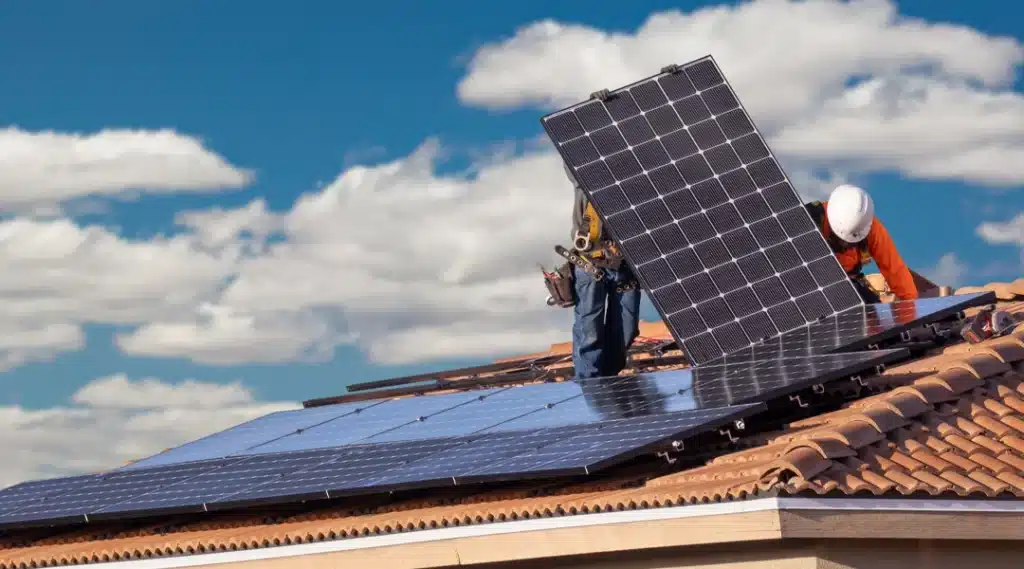
Tile roofs require extra attention before solar installation because the tiles themselves do not tell the whole story. Many Southern California homeowners look at their tile roof and assume everything is fine because the tiles appear intact. However, the waterproof underlayment beneath the tiles is a critical part of the roofing system. Over time, heat, UV exposure, wind, and seasonal weather changes can cause underlayment to deteriorate. When that happens, the roof may become more vulnerable to leaks, even if the tiles still look good.
Solar installation on tile roofs can also involve moving or working around tiles. If tiles are already brittle, cracked, slipped, or poorly supported, installation may increase the chance of additional damage. Before installing solar panels on a tile roof, homeowners should understand the condition of both the visible tiles and the roofing system beneath them.
Should You Replace Your Roof Before Installing Solar Panels?
Not every roof needs to be replaced before solar installation.
Some roofs may only need minor repairs, flashing adjustments, tile replacement, or basic maintenance before they are ready for solar. Other roofs may have enough remaining life to support a solar system without major concerns.
However, replacing the roof before solar installation may be worth considering if:
- The roof is near the end of its expected lifespan.
- The roof has had multiple leaks.
- The underlayment is aging or deteriorating.
- There are widespread damaged shingles or tiles.
- The roof has soft spots or structural concerns.
- Repairs would only provide a short-term solution.
- Future solar panel removal would likely cost more than addressing the roof now.
The best decision depends on the condition of the entire roofing system, not just the age of the roof.
What Happens If Your Roof Needs Repairs After Solar Is Installed?
If roofing work is needed after solar panels are installed, the project usually becomes more complicated. Roofers often need clear access to the roofing material in order to perform repairs or replacement correctly. When solar panels are in the way, the system may need to be temporarily removed by qualified solar professionals. This can create added costs for removal, storage, reinstallation, and system testing. That is why it is often better to find out whether the roof needs work before solar panels are installed. A professional roof inspection can help homeowners plan ahead and avoid unexpected expenses.
Why a Professional Roof Inspection Matters Before Solar
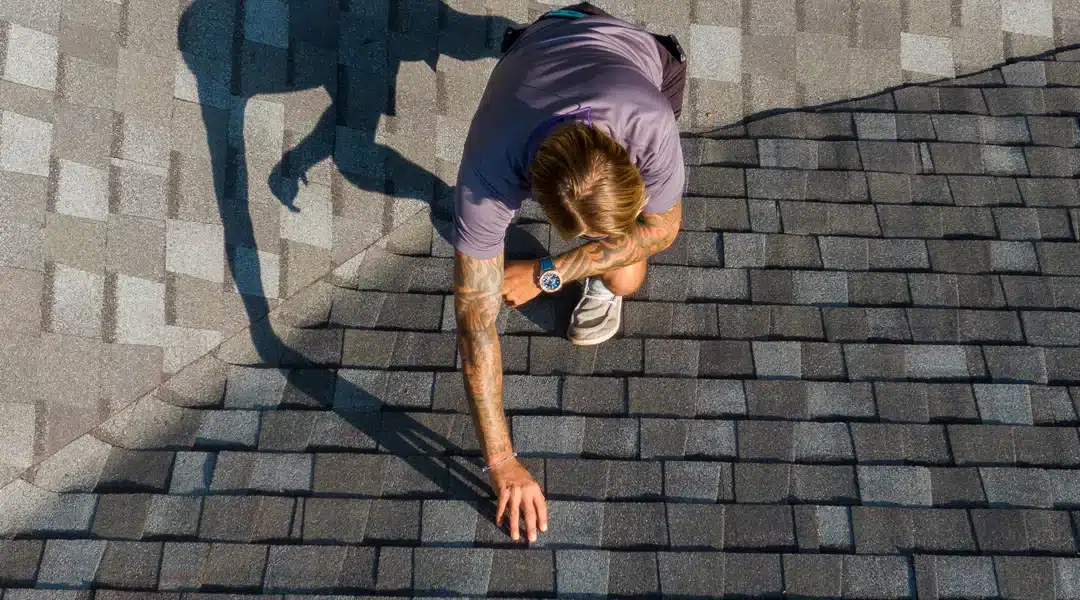
Before installing solar panels, a professional roof inspection can help determine whether your roofing system is ready for a long-term investment. Solar panels are designed to last for decades, so it is important to know whether the roof underneath them has enough remaining life to support the system. Even if a roof looks fine from the ground, there may be hidden issues that are difficult for homeowners to see. A roof inspection can help identify existing damage, aging materials, moisture concerns, and areas that may need repair before solar panels are installed.
At Innovative Home Improvements, our roof inspections may evaluate:
Overall Roof Condition
The inspection begins with a general look at the roof’s age, appearance, wear, and visible problem areas. This helps determine whether the roof appears stable, aging, or in need of further attention before solar installation.
Roofing Material Wear
Different roofing materials age in different ways. Shingles may curl, crack, lose granules, or become brittle. Tile roofs may have cracked, broken, or slipped tiles that should be addressed before solar panels are installed.
Signs of Leaks or Moisture Intrusion
Water stains on ceilings or walls, previous leak areas, and moisture concerns should be evaluated before solar installation. Once panels are installed, accessing the roofing materials underneath can become more difficult and expensive.
Flashing and Roof Penetrations
Flashing around vents, chimneys, skylights, walls, and roof transitions helps direct water away from vulnerable areas. Roof penetrations such as plumbing vents and exhaust vents are also common leak points that should be checked before solar mounting hardware is added.
Roof Valleys and Drainage Areas
Valleys, gutters, and drainage paths should be reviewed for debris buildup, poor water flow, ponding water, or deterioration. Proper drainage is especially important before adding solar panels to the roof.
Wood Rot and Structural Concerns
Wood rot in fascia boards, eaves, roof edges, or other vulnerable areas may indicate moisture problems. These concerns should be addressed before adding the weight and attachment points of a solar panel system.
Underlayment Concerns
On tile roofs, the underlayment beneath the tiles is one of the most important waterproofing layers. The tiles may still look good from the ground, while the underlayment underneath may be aging or deteriorating.
Previous Repair Areas
Areas that have been repaired multiple times should be inspected carefully. Repeated repairs may point to an ongoing problem that should be corrected before solar panels are installed.
Remaining Roof Life
One of the most important parts of the inspection is estimating whether the roof has enough useful life remaining. If the roof is nearing the end of its expected lifespan, it may be more practical to complete repairs or replacement before installing solar panels.
The goal is simple: help homeowners understand the true condition of their roof before investing in solar panels, roof repairs, or roof replacement.
A Roof Inspection Can Help You Make a Smarter Solar Decision
Solar panels can be an excellent investment, but they should be installed on a roof that is prepared to support them. If your roof is older, has unknown repair history, or has visible signs of wear, a roof inspection can help answer important questions before you move forward. You may discover that your roof is in good condition and ready for solar. You may also find that minor repairs are needed first. In some cases, replacing the roof before solar installation may be the smarter long-term choice.
Either way, having clear information about your roof can help you avoid surprises.
Serving Southern California Homeowners
Innovative Home Improvements proudly serves homeowners throughout Riverside County and surrounding Southern California communities. Whether you are considering solar panels, evaluating an older roof, or dealing with roof repair concerns, our team can help you understand the condition of your roofing system.
Schedule a Free Roof Inspection Before Going Solar
Installing solar panels is a major home improvement investment. Before moving forward, make sure your roof is ready to protect your home and support the system for years to come.
Innovative Home Improvements provides professional roof inspections for Southern California homeowners who want honest answers before making major roofing or solar-related decisions.
If you are thinking about going solar, schedule your free roof inspection today and move forward with confidence.
Schedule a Roof Inspection Before Coverage Becomes an Issue
If your roof is older, damaged, leaking, or has not been inspected in years, now is the time to take a closer look.
California insurers are paying more attention to roofs, and homeowners should too.
Contact Innovative Home Improvements today to schedule a roofing consultation and learn more about your options.
Roofing Services FAQ
Can solar panels be installed on an old roof?
Yes, solar panels can often be installed on an older roof, but the roof should be inspected first to determine its condition and remaining service life.
Should I replace my roof before installing solar panels?
You may want to replace your roof first if it is near the end of its lifespan, has repeated leaks, deteriorating underlayment, or widespread damage.
Why is tile roof underlayment important before solar installation?
On tile roofs, the underlayment is a key waterproofing layer. Even if the tiles look good, aging underlayment can create leak risks after solar panels are installed.
What happens if my roof needs repairs after solar panels are installed?
The solar panels may need to be removed and reinstalled before roof repairs or replacement can be completed, which can add extra cost.
Does Innovative Home Improvements inspect roofs before solar installation?
Yes. Innovative Home Improvements provides roof inspections to help Southern California homeowners understand whether their roof is ready before moving forward with solar.